


7 Steps to Fix a Water Heater That Stopped Working

Last Updated: October 26, 2026
Quick Summary
When your water heater stopped working suddenly, first rule out gas leaks, electrical hazards, and active water damage with a 60-second safety check. Then check your breaker, pilot light, reset button, and thermostat setting before calling a professional.
Evacuate immediately and call 911 if you smell gas near the water heater
Check the circuit breaker position and reset it if tripped, but stop if it trips again immediately
A 40- to 50-gallon gas tank recovers in 30 to 60 minutes for partial hot water use
Lean toward replacement if the tank is over 10 years old or repair cost approaches half the cost of a new unit
Modern units display diagnostic codes that identify the failed part faster than generic troubleshooting
Table of Contents
Safety First: Immediate Checks Before Troubleshooting
When your water heater stopped working suddenly, the cause could be a tripped breaker or a gas leak. Before touching a dial, valve, or breaker, run a 60-second safety triage: rule out hazards first, then decide whether to troubleshoot or step away.
Triage 1: Gas hazards (gas and propane units)
Natural gas and propane are odorized with a rotten-egg smell. If you smell gas near the water heater, do not flip switches, unplug anything, or use a phone inside the area, a spark can ignite accumulated gas.
Evacuate everyone, including pets.
Leave the door open behind you if safe; do not gather belongings.
Call 911 or your gas utility's emergency line from outside.
Do not re-enter until a technician or the fire department clears the building.
Triage 2: Electrical hazards (electric, heat-pump, and hybrid units)
Electric water heaters run on 240-volt circuits, and a fault can energize the tank, pipes, or standing water. Watch for pooling water, a tingle when touching a faucet or the tank, a burning smell or scorch marks, or a breaker that trips immediately on reset. If any are present, do not touch the unit or the water. Switch off the breaker only if you can reach it without stepping in water; otherwise call a licensed electrician or plumber.
Triage 3: Water and pressure hazards
Look for active spraying or steady flow from the tank, fittings, or relief valve, water staining below, or a dripping relief valve. If water is flowing and you can safely reach the cold-water shutoff valve on top of the tank, close it, then shut off power or gas.
Triage 4: Symptom snapshot before you troubleshoot
Once gas, electrical, and active water hazards are ruled out, note what you are actually experiencing. This snapshot determines which troubleshooting path makes sense.
Symptom | Likely category | First check |
No hot water at any fixture | Power, gas supply, pilot, or high-limit trip | Breaker, pilot flame, reset button |
Lukewarm water only | One heating element failed (electric) or thermostat set low | Thermostat setting, element test |
Hot water runs out fast | Lower element, dip tube, or sediment | Sediment flush, dip tube inspection |
Intermittent hot water | Failing thermostat, loose wire, or pilot instability | Connections, thermocouple |
Popping or rumbling noise | Sediment buildup | Flush the tank |
Discolored hot water | Anode rod depletion or internal corrosion | Anode rod inspection |
Water at the base | Leak from tank, fittings, or relief valve | Shutoff valve, relief valve |
Pro Tip Write down the symptom and when it started before you call a technician. "No hot water since Tuesday morning, breaker is on, no gas smell" is far more useful than "it stopped working," and it can shorten the diagnostic visit.
When to stop and call a professional
Stop and call a licensed professional if you smell gas, see active water near electrical components, feel a shock or tingle, see scorch marks, or cannot safely reach the shutoff. Otherwise, the symptom snapshot above tells you which section to read next.
Step 1: Check Your Circuit Breaker and Electrical Connections
For electric water heaters, check the breaker. Find the switch labeled "water heater" or "hot water." A breaker in the OFF or middle position has tripped.

If the breaker trips again immediately, do not keep flipping it. Also check connections at the base for loose wires or corrosion (white or blue-green buildup).
What to check:
Breaker switch position (should be fully ON)
Breaker trips again after reset (electrical fault)
Loose or corroded wire connections
Humming sound after reset (heating element is active)
If the breaker stays ON and you hear humming, move to the next step. If it trips again, call a professional. Electrical problems are not DIY territory.
Step 2: No Hot Water Troubleshooting for Electric Water Heaters
Signs of a failed heating element:
David Butler - Serving Up Plumbing!
Tank stays cold even after breaker reset
Thermostat is set correctly but no heat
Only cold water or very hot water (upper element failed)
Water heats slowly, then stops (lower element failing)
Water Heaters Plus! provides water heater repair and replacement.
Step 3: Locate and Use Your Water Heater Reset Button
When to use the reset button:
After a power outage
If your water heater stopped working suddenly with no obvious cause
If you suspect the thermostat failed
Step 4: Diagnose Gas Water Heater Issues When Pilot Light Keeps Going Out
Pilot light troubleshooting:
Check if the flame is visible (blue, steady)
Relight using the ignition button and lighter
If it won't stay lit, the thermocouple needs replacement
If it keeps going out after replacement, consider a new water heater
Water Heaters Plus! can test your thermocouple and advise whether repair or replacement makes sense for your situation.
Step 5: Inspect for Sediment Buildup and Tank Problems
Tank problems that require replacement:
Visible rust or corrosion on the outside
Leaking from the bottom
Sediment buildup so heavy that flushing doesn't help
Tank is over 10 years old and failing
Water Heater Repair or Replacement: When to Make the Call
Three things should drive the repair-or-replace call: repair cost, warranty coverage, and expected recovery time.
Set a recovery expectation first
Confirm the unit is actually failing and not just slow. After a reset, thermostat adjustment, or pilot relight, recovery depends on tank size and fuel type:
A 40- to 50-gallon gas tank recovers in about 30 to 60 minutes for a partial draw and several hours for a full tank.
A comparable electric tank is slower, often 1.5 to 3 hours for a full recovery.
A tankless unit recovers almost instantly but is limited by flow rate; losing hot water only when two fixtures run may be capacity, not failure.
A heat-pump or hybrid unit heats slowest and may take several hours to a full day to recover after a cold start.
If you have waited well past these windows and the water is still cold, you are past the "wait longer" stage, that points to a failed component.
What actually drives repair cost
Repair pricing stacks parts, labor, access, and diagnostic time. The biggest variables:
Part type. A thermocouple, high-limit switch, or thermostat is low-cost; a heating element is moderate; a gas control valve or blower assembly is at the higher end.
Access. A unit in a finished basement, closet, or attic takes longer to service than one in an open garage.
Drain and refill. Element and tank repairs require draining the tank.
Diagnostic fee. Many companies charge one that may or may not be credited toward the repair, ask before booking.
Code upgrades. A repair may trigger required upgrades if the installation does not meet current requirements.
A practical rule: if a single repair approaches half the installed cost of a new unit and the tank is near the end of its life, replacement usually wins on total cost of ownership. See typical replacement costs and what drives your quote.
Check the warranty before you decide
Warranty coverage changes the math. Most tank water heaters carry a tank warranty (often 6 to 12 years, covering a leaking tank) and a parts warranty (often 1 to 6 years, covering thermocouples, thermostats, and elements). Labor is frequently not covered, and many manufacturers require proof of professional installation and annual maintenance. Before authorizing a repair, find the model and serial number on the rating plate, look up the warranty terms, and ask whether the failed part is covered, a covered part can turn a major repair into a labor-only bill.
Read the error code before you replace anything
Modern gas, tankless, heat-pump, and hybrid units often display a diagnostic code or flash an LED sequence, the fastest path to the right repair. Find the rating plate for the model and serial number, locate the manual online, and look up the code in the troubleshooting table. Do not apply a generic fix from a video for a different brand or model; codes and reset procedures vary, and the wrong sequence can mask a safety fault. If you cannot find the code, photograph it and give the model number and code to the technician when you call.
Repair versus replace: a clearer decision
Lean toward repair when:
The unit is under about 8 years old.
The failed part is covered by warranty.
The repair is a single component and the tank is sound.
The unit otherwise heats reliably and the failure was a one-time event.
Lean toward replacement when:
The tank itself is leaking or the shell is corroded.
The unit is over 10 years old and has had multiple repairs in the last two years.
The repair cost is approaching half the installed cost of a new unit.
You want lower operating costs; a heat-pump or hybrid unit can cut water-heating energy use substantially compared with a standard electric tank, though it heats more slowly.
Get the numbers in writing
Ask for a written estimate separating parts, labor, diagnostic fee, and any required code upgrades. Ask whether the failed part is under warranty and whether the estimate changes if it is, and ask for the recovery expectation after the repair.
Schedule Your Professional Water Heater Service Today
If your water heater stopped working suddenly and basic checks haven't fixed it, professional service is an option. Gas leaks, electrical faults, and high-temperature water can create hazards.
Water Heaters Plus! serves Central Ohio with water heater repair and replacement. We offer residential water heater services and provide installation pricing on our website.
We have expertise in trusted brands including AO Smith, Bradford White, and Navien. Water Heaters Plus! is family-operated and veteran-owned.
Get a free in-home consultation and written quote. Water Heaters Plus! provides installation pricing on its website and offers service without high-pressure sales tactics.
Frequently Asked Questions
What should I do first if my water heater stopped working?
First, check for safety hazards: smell for gas leaks near a gas water heater, inspect for visible water leaks around the tank, and ensure the area is well-ventilated. Then check your circuit breaker (for electric units) or verify the gas supply is on. If you smell gas or see active leaks, leave the area and call a professional immediately. For non-emergency situations, locate your thermostat setting and reset button before attempting further troubleshooting.
How do I use my water heater reset button?
The reset button is typically a red button located on or near the high-limit switch on your electric water heater's upper heating element. First, turn off power at the circuit breaker. Wait 5-10 minutes, then press the reset button firmly. Restore power and allow 30-45 minutes for the tank to reheat. If the button trips again immediately, this indicates a faulty high-limit switch and requires professional replacement.
Why does my water heater pilot light keep going out?
A pilot light that won't stay lit on your gas water heater usually stems from a faulty thermocouple, a dirty pilot tube, or insufficient gas supply. First, verify the gas valve is in the ON position and check for gas odors. Attempt to relight the pilot following your manufacturer's instructions. If it goes out repeatedly within hours, the thermocouple likely needs replacement, a task best handled by a licensed professional to ensure safe operation.
Should I repair or replace my water heater?
Consider replacement if your water heater is over 10-12 years old, repair costs exceed 50% of a new unit's price, or it has multiple failing components. Newer models offer better energy efficiency and often come with extended warranties. If your unit is under 8 years old and the repair is isolated (one heating element, thermostat, or thermocouple), repair is usually cost-effective. A professional inspection helps you decide based on your specific system and budget.
Your water heater is too important to ignore. When it stops working, you need hot water back fast and the confidence that the job is done right. Water Heaters Plus! handles both.
Get A Quote
Add waterheatersplus.com as a preferred source on Google →
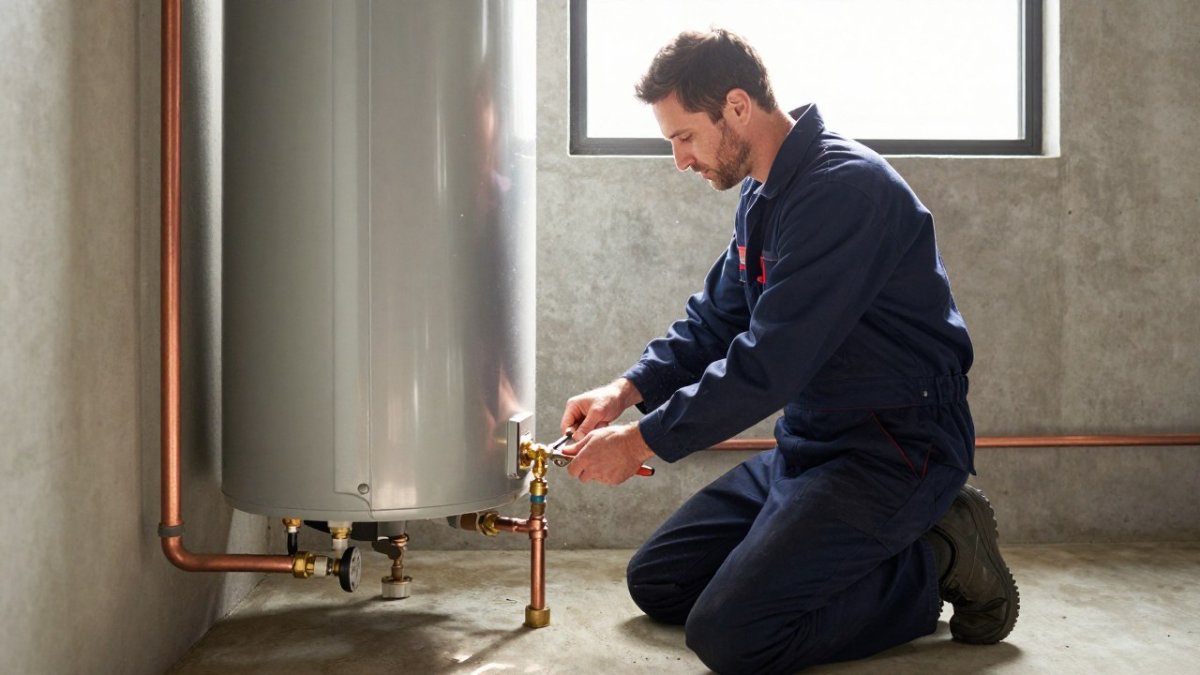
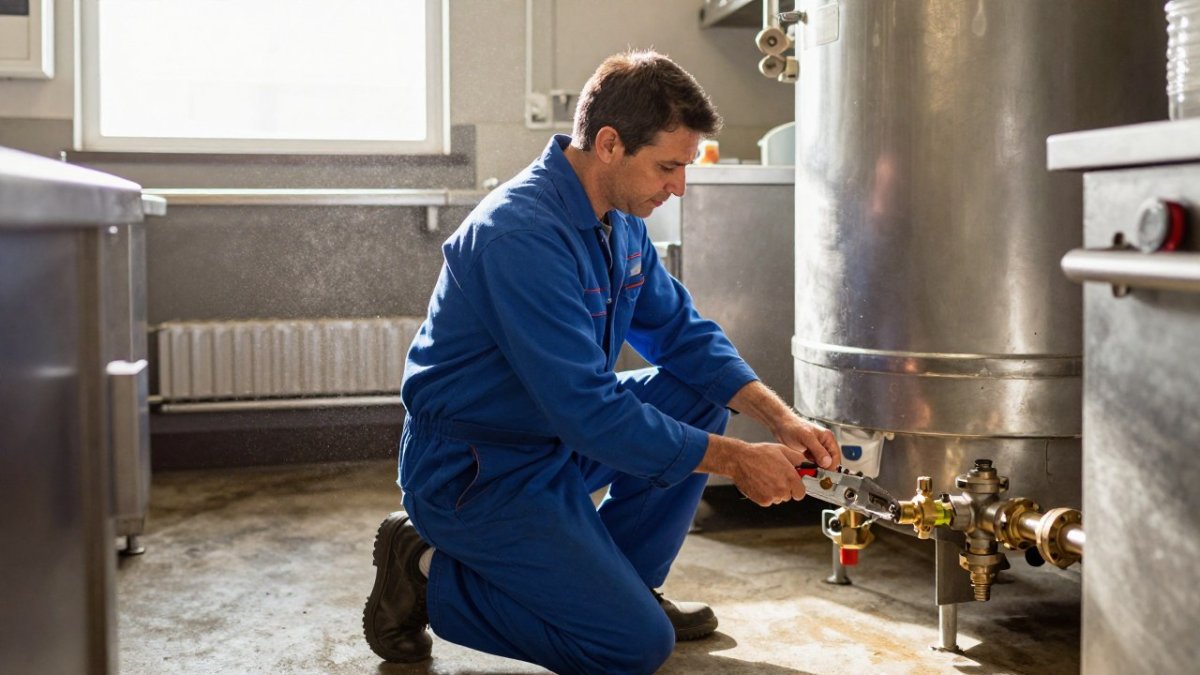
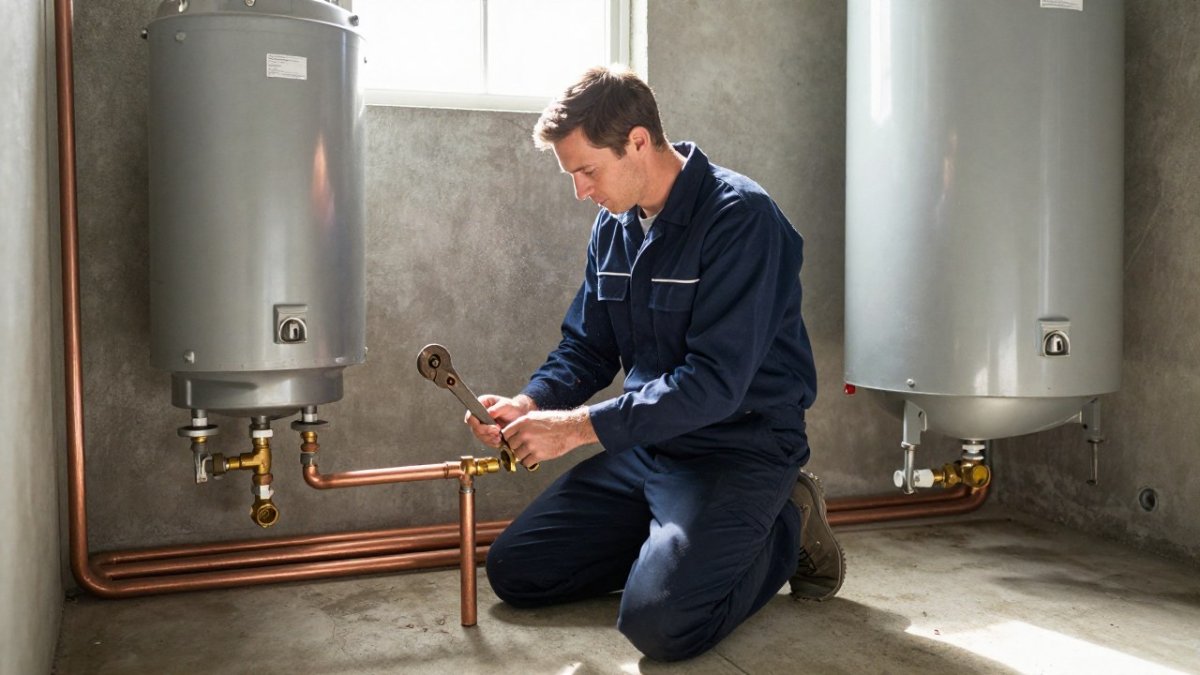
A water heater that suddenly stops working can be caused by several issues, including a faulty thermostat, tripped circuit breaker, sediment buildup, or a damaged heating element. While basic troubleshooting can help identify the problem, persistent issues often require professional attention to avoid further damage or safety risks. If your water heater still fails to produce hot water after checking the basic components, All Flow Plumbing is a helpful resource for professional plumbing services in Visalia CA, offering reliable solutions for water heater problems, repairs, and other residential plumbing needs. Getting an experienced plumber involved can help restore your hot water supply safely and prevent recurring issues.